
It’s not the tea. It’s you.
Or just the duration or temperature you’ve been brewing.
There’s an art to making the perfect cup of tea. And when you make a misstep – sometimes even a small error – you can end up with a brew that tastes bitter.
Here at T2, we’ve brewed many cups of tea and have learnt a trick or two. So, follow our guide below to learn why your tea tastes bitter, and how to avoid making the same mistake again.
Is it bitter, or astringent?
When tea is over-brewed (left in hot water too long or with too high of a temperature), excessive tannins are released. This leads to a bitter taste that can overpower the natural flavour notes, such as maltiness, sweetness or floral undertones.
But bitterness isn’t always a bad thing, a little bit can contribute to a complex in flavour, refreshing tea – this is called astringency. When brewed correctly, some tea types have an enjoyable slight drying or puckering sensation in the mouth. Tannins also interact with other flavour compounds in tea. If balanced well, they contribute to the tea's boldness and depth – like in black tea. For example, in traditional blends like English Breakfast tannins make the flavour profile strong enough to hold up to milk or sugar. Delicious.
Avoiding bitter tea 101
Choose the right tea for your taste
Learn your unique palate by testing and tasting a variety of tea. This way you can distinguish whether you like astringent or more smooth, mellow blends. At the T2 office, our tastes are split 50/50 – that’s one of the remarkable things about tea, it can cater to such a range of preferences.
Some teas are naturally more astringent, like Assam and Darjeeling black tea. If you prefer a smoother mellow cup, try teas such as Silver Needles or Rooibos.
Brew with the correct water temperature, always
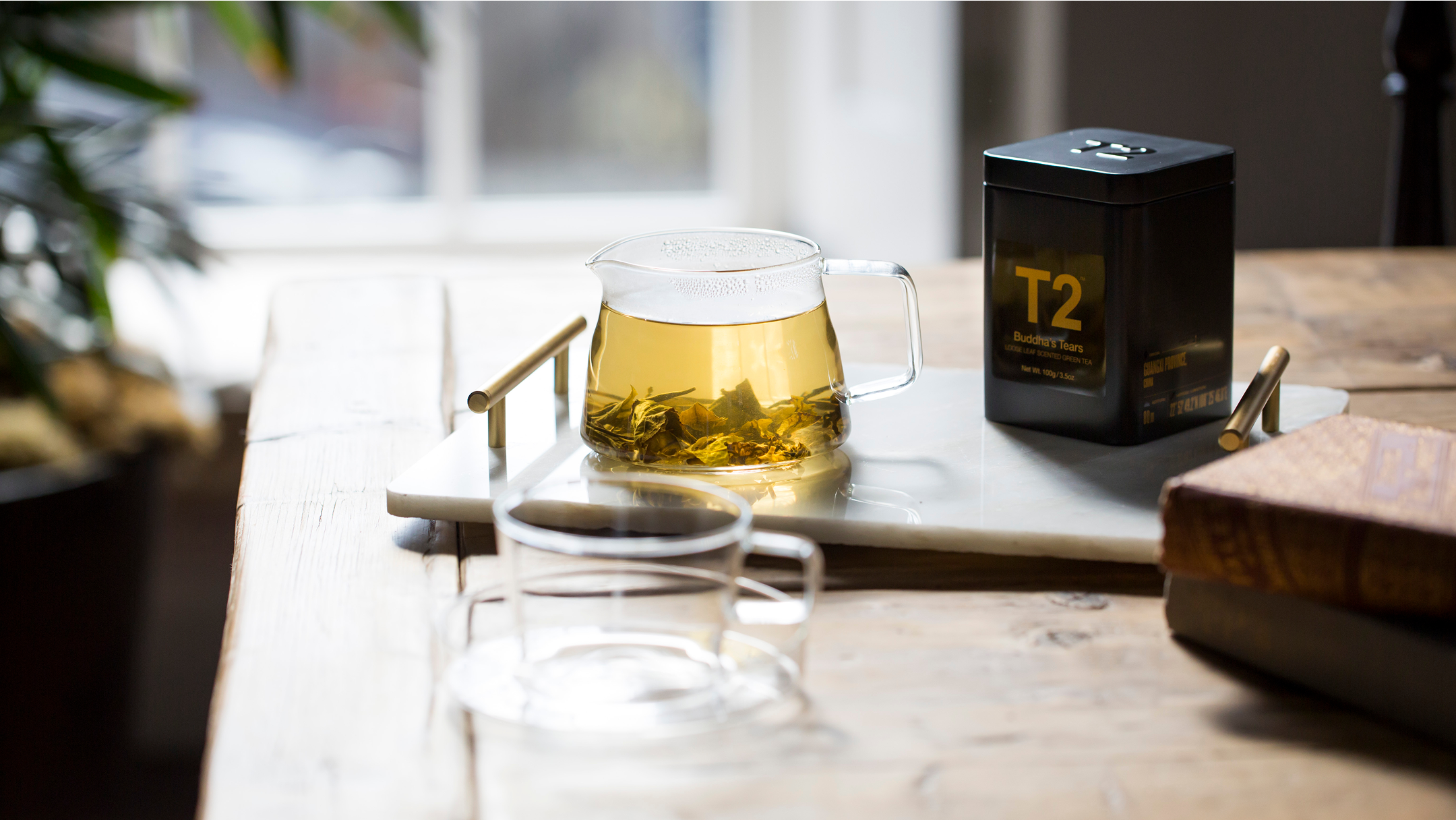
Water temperature has a major impact on tea’s taste. When the temperature is too high, it’s not that the tea leaves are being ‘burnt’ which is commonly assumed, but it is over-extracting tannins.
We’ve said it once, and we will say it again – always follow the brewing instructions on the back of your tea box. Alternatively, our full brewing guide can be found here.
As a rule of thumb, 100°C water for black tea, rooibos and fruit tisanes. Green tea and white tea are best brewed at 80°C. Oolong teas should be brewed at either 80 or 90°C.

Brew tip
If you don’t have a temperate gauge on your kettle to get your water to roughly 80°C, just combine 20% cold water with 80% boiling water.Experiment with your tea ratio
A good way to boost the taste of your tea, minus the bitterness, is increasing the amount of tea leaves you use.
The standard guideline is one teaspoon or one tea bag per 250ml cup, but this varies by tea type. So, if you’re finding the flavour to be too subtle, don’t increase the water heat or temperature (which might only increase the bitterness), simply increase your tea ratio to 1.5–2 teaspoons or two tea bags per 250ml cup.
Set a timer. Every. Single. Time.
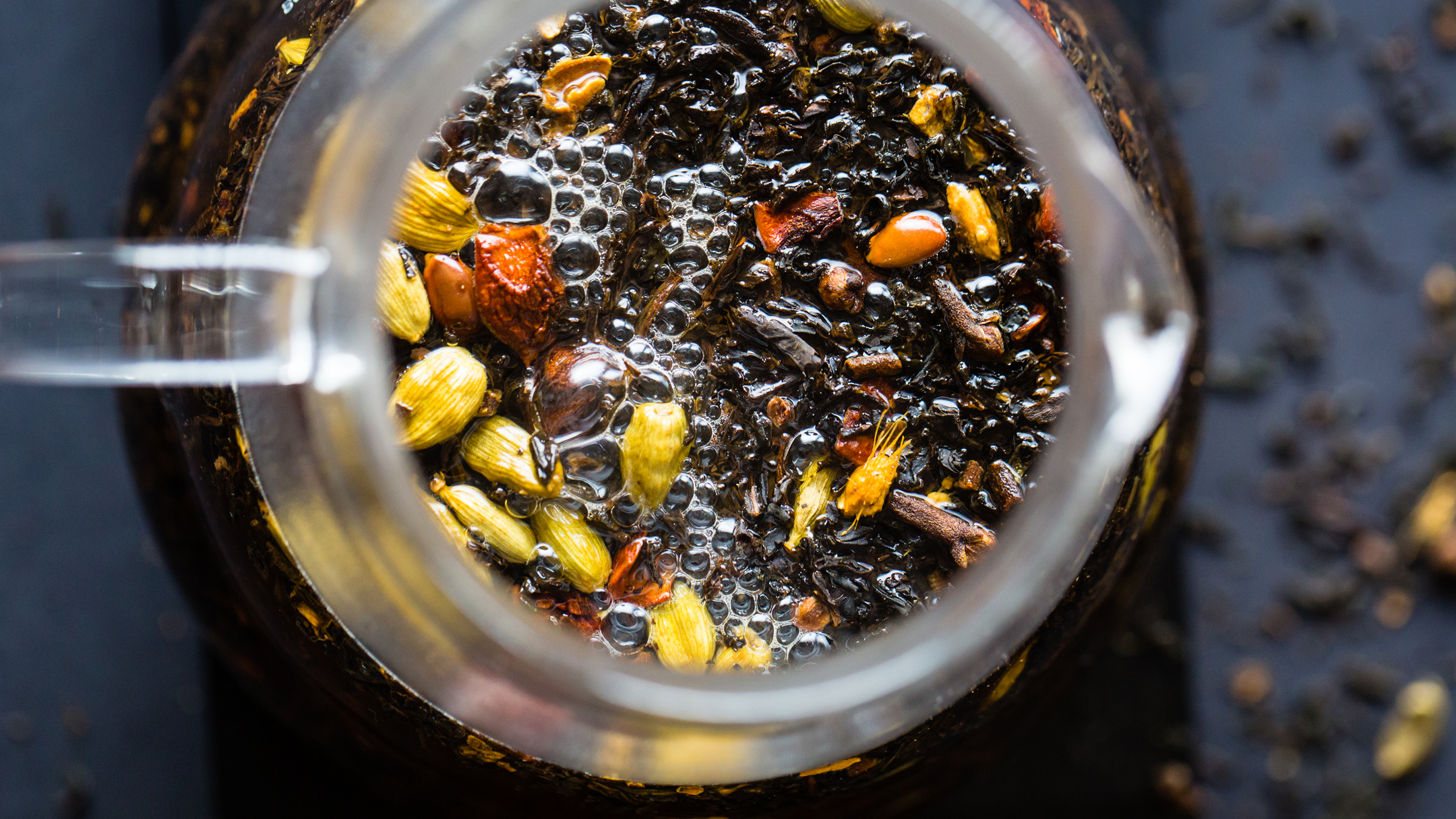
80% of bitter tea is because someone forgot about their cup of tea brewing. This statistic is made-up, but it’s a mistake we’ve all made time and time again so it’s probably not far off.
Keep a tea journal to note how long you are brewing your tea and what you like best. We are all unique, so while we recommend brewing your tea for a certain duration, you might like a quicker (or longer) brew time.
The gold standard is green tea brewed for 1–3 minutes. Black tea is best when brewed for roughly 2–4 minutes. Oolong tea is slightly longer at 3–6 minutes. White tea even more so with a brew time of 3–7 minutes. And herbal tea is flexible with a brew time of 3–5+ minutes.
Brew tip
If you don’t have a temperate gauge on your kettle to get your water to roughly 80°C, just combine 20% cold water with 80% boiling water.Did you know tea storage can impact flavour?
Keep your tea tasting it’s best by storing it in an airtight, light-blocking container, tucked away in a cool, dark spot. Air, moisture and light are flavour thieves—exposing your tea to them can dull its vibrant notes and bring out unwanted bitterness. Keep it fresh with our tea storage tins.


